Course catalog
Continuing education courses
Continuing education for wastewater operators. Approval and credit differ by state, so the catalog below shows availability for one state at a time.
Each awards 1 hour · $19.00 USD each · All count toward Class 1-4 licenses.
Tap a subject to see its courses.
Safety5
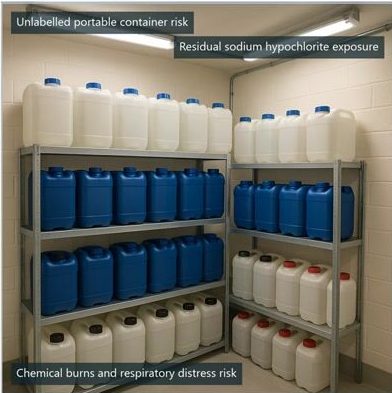
Hazard Communication at a Treatment Plant
Level 1
Every chemical on site comes with a label and a safety data sheet you're expected to understand.
Approved for renewal credit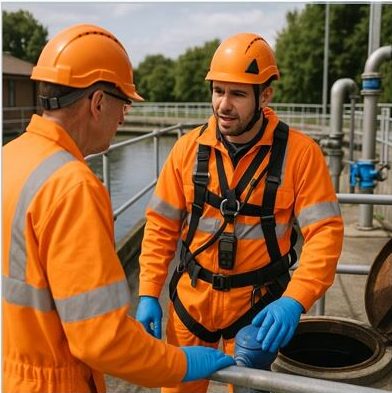
Permit-Required Confined Space Entry
Level 1
Wet wells, manholes and tanks are where operators die, and too often it is the person who goes in to help.
Approved for renewal credit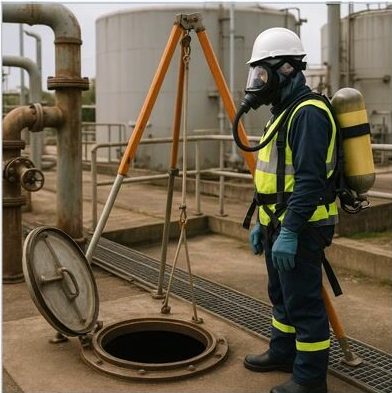
Wastewater Operator Safety
Level 1
The hazards that kill operators: confined spaces, hydrogen sulfide and other bad atmospheres, stored energy, chemicals and biological exposure.
Approved for renewal credit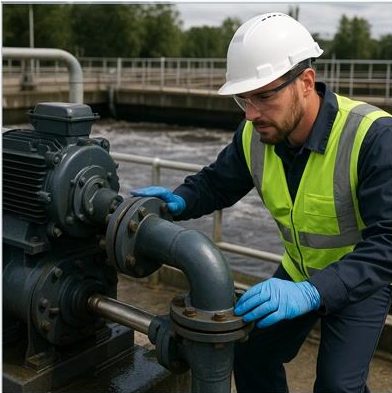
Lockout/Tagout for Pumps, Blowers and Mixers
Level 1
A pump, blower or mixer that restarts or turns over during maintenance can kill.
Approved for renewal credit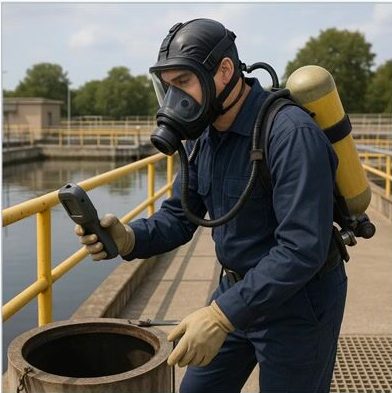
Respirators: Hazard Assessment and IDLH
Level 1
The wrong respirator in the wrong atmosphere is worse than none, because it feels safe.
Approved for renewal creditEmergency response & chemicals3
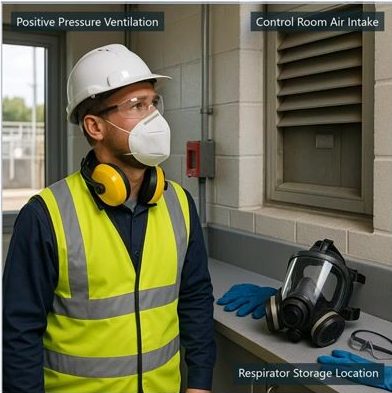
Can You Still Reach It? Shutoffs, Air and Intakes
Level 1
In a chemical release, an emergency plan only works if the shutoff can be reached, the air intakes don't pull the gas indoors, and the safety equipment isn't inside the hazard.
Approved for renewal credit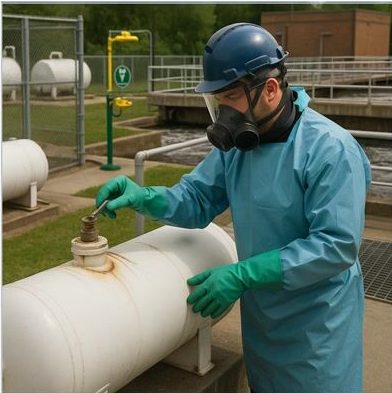
Chlorine Release: Detection, Kit and First Moves
Level 1
Chlorine leaks can pose serious dangers if not detected quickly or if emergency kits are misused, putting people and the plant at risk.
Approved for renewal credit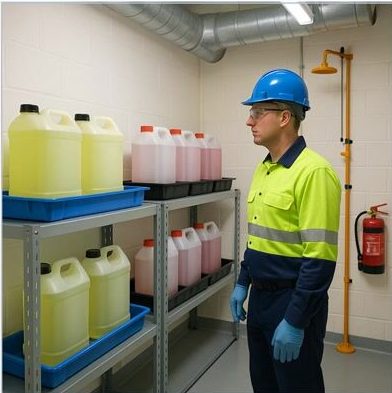
Chemical Delivery and Incompatible Storage
Level 1
Equip wastewater operators with the critical knowledge and skills to safely manage chemical deliveries and incompatible chemical storage, recognize…
Approved for renewal creditComing soon in Illinois18
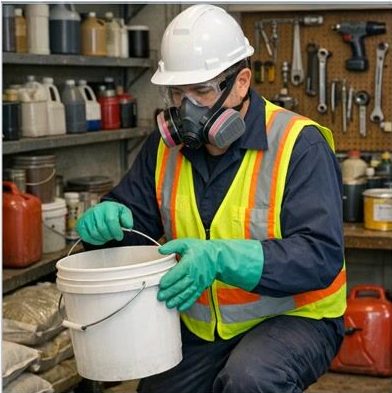
Maintenance Chemicals: Grout, Paint and Fuel
Level 1
Workers sometimes handle grout, paint, or fuel without recognizing the chemical hazards or following proper safety rules, which can lead to exposure and regulatory trouble.
Pending state approval (Pending)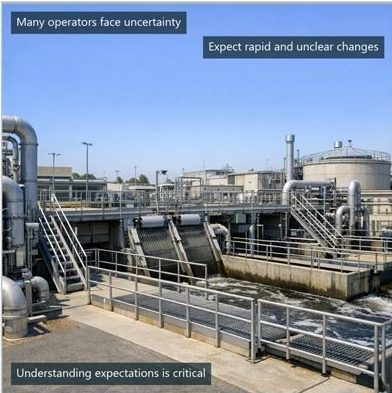
Respond or Evacuate: The HAZWOPER Choice
Level 1
Confusion over when to handle hazardous spills in-house or evacuate can put employees at risk and violate safety rules.
Pending state approval (Pending)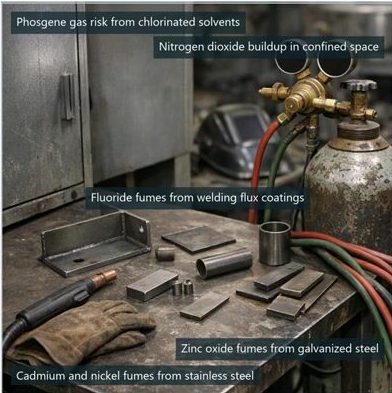
Welding and Hot Work: The Fume You Did Not Choose
Level 1
Welding and hot work can create invisible fumes and gases like ozone or phosgene that put workers at risk and cause safety problems at the plant.
Pending state approval (Pending)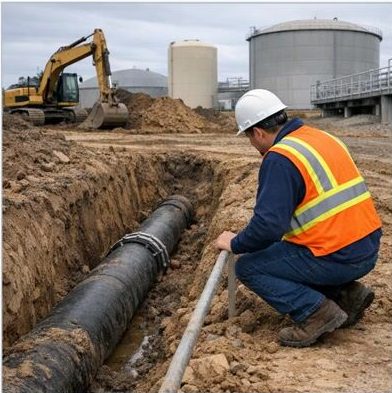
Classifying Trench Soil: Two Tests, Five Traps
Level 1
Misclassifying trench soil can lead to unsafe excavations and trench collapses, risking serious injury and plant damage.
Pending state approval (Pending)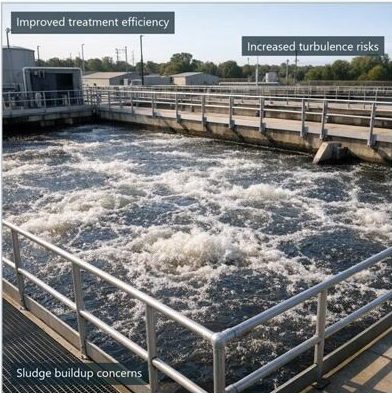
Hazard Assessment: What Changes the Answer
Level 1
Choosing the wrong respiratory protection or PPE in confined spaces can put operators at serious risk, especially with changing conditions and H2S levels.
Pending state approval (Pending)
The Bench Lab: Which OSHA Rule Covers It
Level 1
Wastewater bench labs often miss key OSHA rules that lead to unsafe conditions and compliance issues.
Pending state approval (Pending)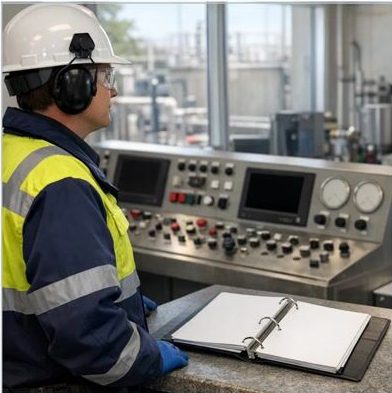
Cyber Duties Already in Your Emergency Plan
Level 1
Operators may miss or hesitate on cybersecurity steps already included in their plant's Emergency Response Plan, leaving the plant vulnerable during an incident.
Pending state approval (Pending)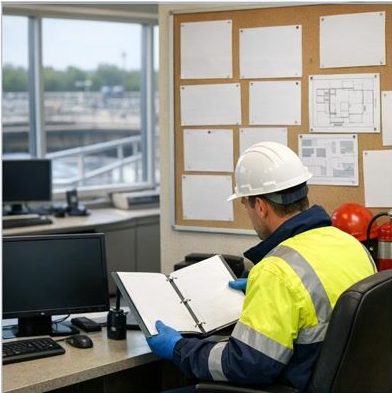
Fire Extinguishers
Level 1
Many plants mix up who needs fire extinguisher training versus just basic education, leading to compliance problems and safety risks.
Pending state approval (Pending)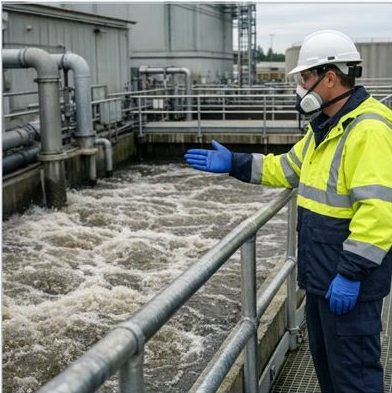
Falls Into Tanks: The Trigger Is Not Four Feet
Level 1
Many operators think fall protection rules apply only above four feet, but falls near tanks and hazardous equipment can be just as dangerous.
Pending state approval (Pending)
The Safety Training Calendar: What Repeats
Level 1
Operators often miss or confuse safety training deadlines, risking noncompliance and unsafe work conditions.
Pending state approval (Pending)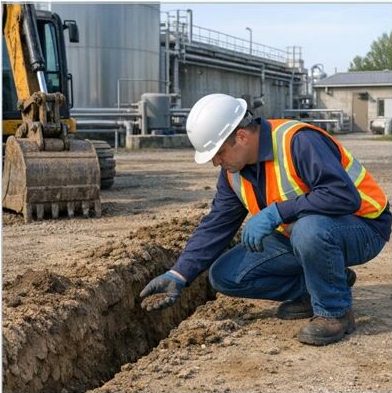
Trench Safety for Plant Crews: The 5-Foot Myth
Level 1
Many crews believe trenches under 5 feet deep don't need special safety measures, but this can lead to dangerous accidents.
Pending state approval (Pending)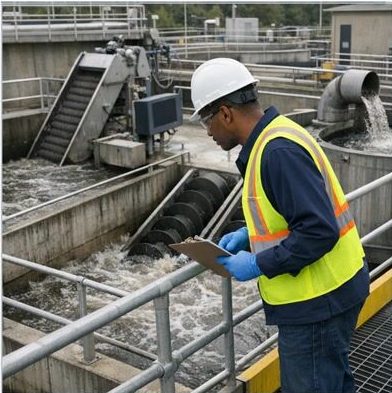
Bloodborne Pathogens: What the Rule Covers
Level 1
To clarify and demystify the regulatory scope of bloodborne pathogens as it applies to wastewater operations, distinguishing between chemical and…
Pending state approval (Pending)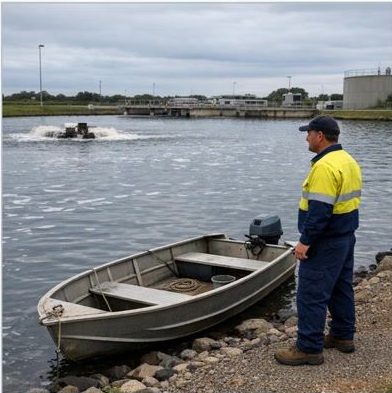
Working Over Water: Jackets, Buoys and Rescue
Level 1
Operators working on lagoons often miss key safety rules about life jackets and rescue gear, leading to dangerous situations over water.
Pending state approval (Pending)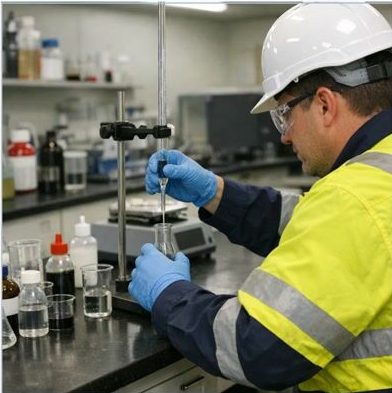
Chemical Hygiene: Which Rule Your Lab Is Under
Level 1
Wastewater lab workers often confuse OSHA's Chemical Hygiene standard with Hazard Communication rules, risking noncompliance and unsafe practices.
Pending state approval (Pending)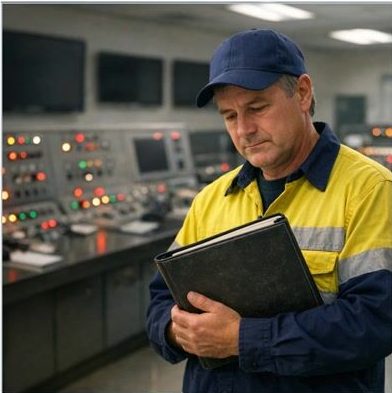
SOPs That Exist and SOPs That Get Used
Level 1
To equip wastewater operators and operators-in-charge with a clear understanding of the distinction between having standard operating procedures…
Pending state approval (Pending)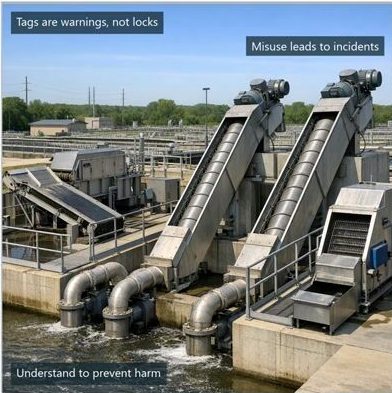
Signs and Tags: What They Legally Mean
Level 1
Operators sometimes confuse signs and tags or misuse lockout/tagout tags, leading to safety risks and regulatory problems.
Pending state approval (Pending)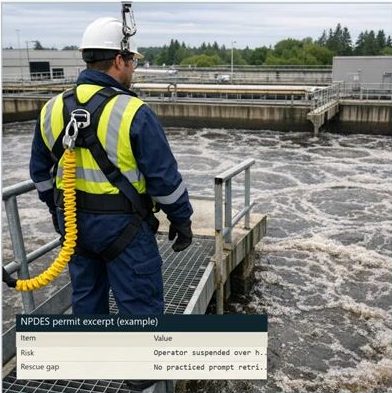
Harness, Anchor, Hook: What Fails and Why
Level 1
Falls from heights at wastewater plants often happen because of using the wrong harness, anchor, or lanyard, or missing key safety checks.
Pending state approval (Pending)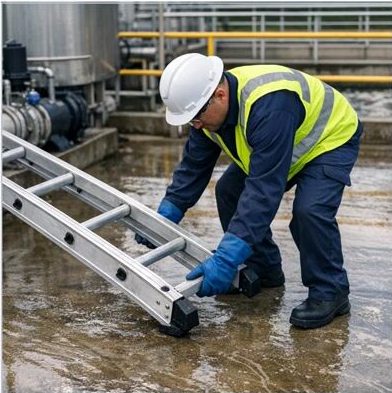
Ladders at a Plant: Portable, Fixed, and 2036
Level 1
To equip wastewater treatment plant operators with clear, accurate knowledge of ladder safety regulations and practical best practices, focusing on…
Pending state approval (Pending)Hazard Communication at a Treatment Plant
Level 1
Every chemical on site comes with a label and a safety data sheet you're expected to understand.
Approved for renewal creditCan You Still Reach It? Shutoffs, Air and Intakes
Level 1
In a chemical release, an emergency plan only works if the shutoff can be reached, the air intakes don't pull the gas indoors, and the safety equipment isn't inside the hazard.
Approved for renewal creditPermit-Required Confined Space Entry
Level 1
Wet wells, manholes and tanks are where operators die, and too often it is the person who goes in to help.
Approved for renewal creditWastewater Operator Safety
Level 1
The hazards that kill operators: confined spaces, hydrogen sulfide and other bad atmospheres, stored energy, chemicals and biological exposure.
Approved for renewal creditLockout/Tagout for Pumps, Blowers and Mixers
Level 1
A pump, blower or mixer that restarts or turns over during maintenance can kill.
Approved for renewal creditChlorine Release: Detection, Kit and First Moves
Level 1
Chlorine leaks can pose serious dangers if not detected quickly or if emergency kits are misused, putting people and the plant at risk.
Approved for renewal creditChemical Delivery and Incompatible Storage
Level 1
Equip wastewater operators with the critical knowledge and skills to safely manage chemical deliveries and incompatible chemical storage, recognize…
Approved for renewal creditRespirators: Hazard Assessment and IDLH
Level 1
The wrong respirator in the wrong atmosphere is worse than none, because it feels safe.
Approved for renewal creditComing soon in Illinois
Built and waiting on a final review or the state's approval. Ask to be told the day one opens.
Maintenance Chemicals: Grout, Paint and Fuel
Level 1
Workers sometimes handle grout, paint, or fuel without recognizing the chemical hazards or following proper safety rules, which can lead to exposure and regulatory trouble.
Pending state approval (Pending)Respond or Evacuate: The HAZWOPER Choice
Level 1
Confusion over when to handle hazardous spills in-house or evacuate can put employees at risk and violate safety rules.
Pending state approval (Pending)Welding and Hot Work: The Fume You Did Not Choose
Level 1
Welding and hot work can create invisible fumes and gases like ozone or phosgene that put workers at risk and cause safety problems at the plant.
Pending state approval (Pending)Classifying Trench Soil: Two Tests, Five Traps
Level 1
Misclassifying trench soil can lead to unsafe excavations and trench collapses, risking serious injury and plant damage.
Pending state approval (Pending)Hazard Assessment: What Changes the Answer
Level 1
Choosing the wrong respiratory protection or PPE in confined spaces can put operators at serious risk, especially with changing conditions and H2S levels.
Pending state approval (Pending)The Bench Lab: Which OSHA Rule Covers It
Level 1
Wastewater bench labs often miss key OSHA rules that lead to unsafe conditions and compliance issues.
Pending state approval (Pending)Cyber Duties Already in Your Emergency Plan
Level 1
Operators may miss or hesitate on cybersecurity steps already included in their plant's Emergency Response Plan, leaving the plant vulnerable during an incident.
Pending state approval (Pending)Fire Extinguishers
Level 1
Many plants mix up who needs fire extinguisher training versus just basic education, leading to compliance problems and safety risks.
Pending state approval (Pending)Falls Into Tanks: The Trigger Is Not Four Feet
Level 1
Many operators think fall protection rules apply only above four feet, but falls near tanks and hazardous equipment can be just as dangerous.
Pending state approval (Pending)The Safety Training Calendar: What Repeats
Level 1
Operators often miss or confuse safety training deadlines, risking noncompliance and unsafe work conditions.
Pending state approval (Pending)Trench Safety for Plant Crews: The 5-Foot Myth
Level 1
Many crews believe trenches under 5 feet deep don't need special safety measures, but this can lead to dangerous accidents.
Pending state approval (Pending)Bloodborne Pathogens: What the Rule Covers
Level 1
To clarify and demystify the regulatory scope of bloodborne pathogens as it applies to wastewater operations, distinguishing between chemical and…
Pending state approval (Pending)Working Over Water: Jackets, Buoys and Rescue
Level 1
Operators working on lagoons often miss key safety rules about life jackets and rescue gear, leading to dangerous situations over water.
Pending state approval (Pending)Chemical Hygiene: Which Rule Your Lab Is Under
Level 1
Wastewater lab workers often confuse OSHA's Chemical Hygiene standard with Hazard Communication rules, risking noncompliance and unsafe practices.
Pending state approval (Pending)SOPs That Exist and SOPs That Get Used
Level 1
To equip wastewater operators and operators-in-charge with a clear understanding of the distinction between having standard operating procedures…
Pending state approval (Pending)Signs and Tags: What They Legally Mean
Level 1
Operators sometimes confuse signs and tags or misuse lockout/tagout tags, leading to safety risks and regulatory problems.
Pending state approval (Pending)Harness, Anchor, Hook: What Fails and Why
Level 1
Falls from heights at wastewater plants often happen because of using the wrong harness, anchor, or lanyard, or missing key safety checks.
Pending state approval (Pending)Ladders at a Plant: Portable, Fixed, and 2036
Level 1
To equip wastewater treatment plant operators with clear, accurate knowledge of ladder safety regulations and practical best practices, focusing on…
Pending state approval (Pending)Not seeing what you need?
Tell us the subject and we will add it to the list. What operators ask for is how we decide what to build next.